

Do your CPR training - For Real

As a healthcare educator across various disciplines, both basic and advanced, I frequently encounter statements like, "No one has ever told us that," or, "They just showed us the video and asked if there were any questions." Alarmingly, some students report that they have never seen certain videos I present, even though they have been available for years and play a critical role in successful resuscitation. This issue isn't confined to basic classes but extends to advanced ones as well.

Basic Life Support (BLS) - The Foundation
It's imperative that our training becomes genuinely effective. In October 2025, resuscitation guidelines were updated. Although I, along with others, may not fully agree with some advanced-level changes, the significance of High-Quality Basic Life Support (BLS) in surviving sudden cardiac arrest is undeniable. BLS isn't just for healthcare providers; it involves citizen participation, including early 911 activation, bystander CPR, and the use of Public Access Defibrillators (AEDs). These actions are crucial in the "chain of survival" for out-of-hospital cardiac arrest victims. Remember, each minute without CPR reduces a person's chance of survival by 10%.
Is Good Enough, Enough?
The adage "little things matter" applies at every level of BLS training, from the physician in the ICU to a person who responds when the stranger next to them collapses. While it's important to tailor training to a person's knowledge and skill level, there are basics (the little things) that matter. And when you take a number of "little things" and combine them, it becomes a "big thing".
An example of a "little thing" is the placement of AED Pads. The standards have said for years that pads are placed at the upper right chest, and the left is to be placed "horizontally in the axilla at the mid axillary line" (basically under the armpit). I have heard in both BLS and advanced classes that the pads go on the "left side of the chest", yet I have seen the instructor then place the pads on the left side nearly at the level of the abdomen. Worse yet, I have seen training videos from reputable organizations correctly describe the placement, yet in the demonstration video scenario, show improper placement. This may seem like a "little thing", but placement like that may result in less energy getting to the heart, which is what matters. There are many "little things" during good BLS that matter.
You Have To Have a Target
Over 40 years ago, as a young paramedic, I am embarrassed to admit that my patient care should have been better. I did not have the attitude I have now, nor did I understand the patient's needs, both physical and emotional. I was less than compassionate. There was one patient I remember, always intoxicated, who smelled bad and was often "combative" with Police, Fire, or EMS. Treating him "kindly" was not at the forefront, and it showed.
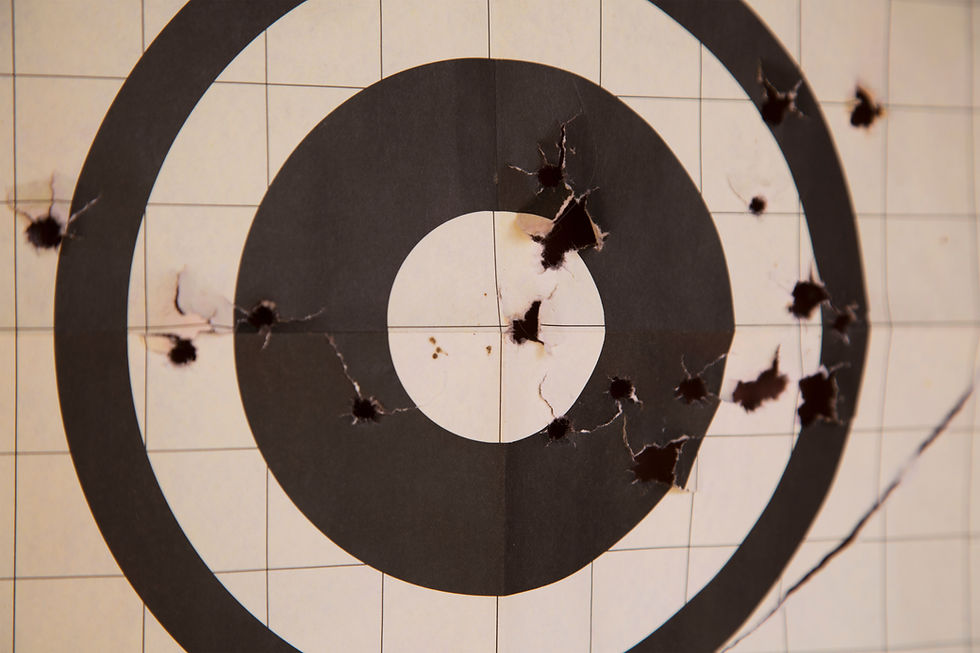
Fast forward 25 years, working as an in-patient addictions counselor, I take the clients to a self-help meeting. A gentleman who was celebrating 15 years sober told the newcomers, "To be successful in anything, you have to have a target, and that target should move. It should always be going toward perfection." After the meeting, that gentleman came up and asked how I'd been. I was confused because I didn't recognize him as a former client in the rehab. When he told me his name, I flashed back 25 years to the drunk in the gutter and realized just how profound those words were, not just to the new people but to everyone, myself included.
No one can achieve perfection, but understanding what it looks like is essential. Regardless of training or experience, mistakes are inevitable. However, recognizing mistakes is impossible without a clear understanding of the goal (perfection). How do we reach it? As instructors, it's not merely about instructing on the "right thing to do"; effective training requires explaining WHY it's necessary.
The Why Matters
The earlier example of pad placement illustrates this point. Even the most inexperienced participant in a basic CPR class will grasp the importance of correct placement if they understand why incorrect placement reduces energy conduction through the heart. Combine this with WHY minimal pauses are beneficial, and WHY staying on the line when calling 911 is crucial, and you transform several "little things" into a significant impact.
Training "For Real"
Training should be tailored to the audience, but non-medical individuals should also understand the critical "whys." The WHY is what makes training real. Equally important is ensuring skills reflect actual capability. A common statement I have used myself is: "Even bad CPR is better than no CPR." But is it really? If compressions are ineffective, an AED isn't used, or EMS is delayed, is it truly helping the victim? If you're an employer funding training or an instructor, ask yourself: What message should participants leave a CPR class with? Is "just good enough" enough? Remember, they might need to use these skills on you tomorrow.

Things Change
Perfection is ever-evolving. New data showing improved methods is perfection in flux. That's why regular CPR and training updates are vital in all areas, including healthcare and general workplaces. This training isn't limited to students; it extends to instructors as well. As instructors, staying current is a professional duty. Whether teaching First Aid at a worksite or advanced classes for physicians, staying updated enhances your ability to communicate WHY it matters.
Do the best you can until you know better. Then, when you know better, do better. - Maya Angelou
For further information about high-quality cutting-edge training for the Workplace, EMS, and Healthcare, please contact us at cpr@reliantworkplacesolutions.com.


Comments