

Lifesaving CPR and AED Training for Employees

Updated: Aug 22
When emergencies strike in the workplace, every second counts. Knowing how to respond quickly and effectively can mean the difference between life and death. That is why emergency response training is a critical investment for any business, especially in industries like manufacturing, construction, education, and transportation. These sectors often involve physical risks where sudden cardiac arrest or other medical emergencies can occur without warning.
In this post, I will share practical insights on why CPR and AED training is vital for employees, how it benefits your workplace, and what steps you can take to implement effective training programs. My goal is to provide clear, actionable information that helps you create a safer environment and comply with health and safety standards.
Why Emergency Response Training Matters in the Workplace
Workplaces with physical labor or high levels of activity face unique risks. Accidents, falls, or health emergencies such as heart attacks can happen anytime. Without proper training, employees may feel helpless or unsure how to act, which delays critical care.
Emergency response training equips your team with the skills to:
Recognize signs of cardiac arrest or choking.
Perform CPR (cardiopulmonary resuscitation) correctly.
Use an AED (automated external defibrillator) safely and effectively.
Provide immediate first aid until professional help arrives.
Having trained responders on-site increases the chances of survival and reduces injury severity. It also fosters a culture of safety and preparedness, thereby improving staff morale and confidence.

Implementing Emergency Response Training Programs
Starting an emergency response training program may seem daunting, but it can be straightforward with the right approach. Here are practical steps to get started:
Assess Your Workplace Needs
Identify the specific risks and hazards your employees face. For example, construction sites may have higher injury risks, while educational settings might focus more on health emergencies involving children.
Choose Certified Training Providers
Partner with reputable organizations that offer certified courses tailored to your industry. This ensures the training meets legal and safety standards.
Schedule Regular Training Sessions
Training should not be a one-time event. Schedule refresher courses annually or biannually to keep skills sharp and update employees on new protocols.
Include Hands-On Practice
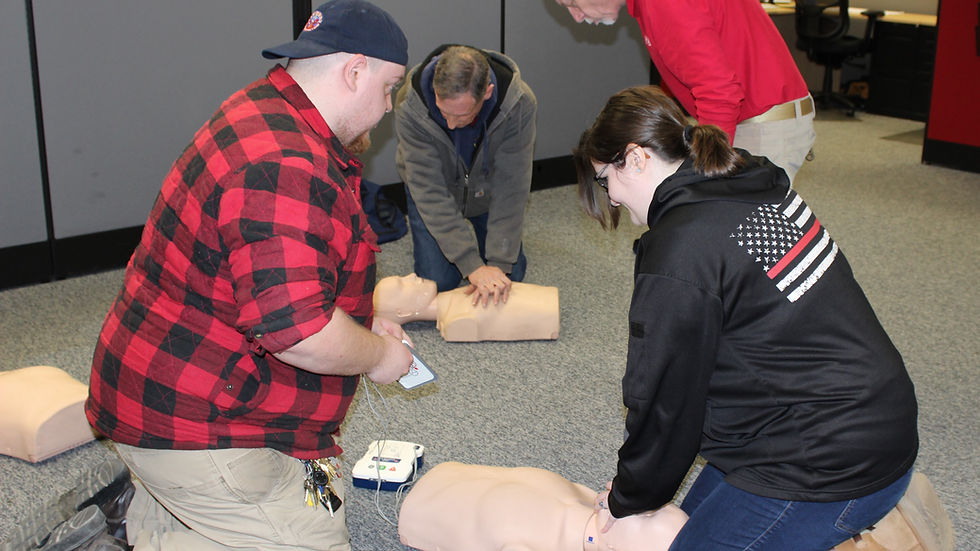
Practical exercises with mannequins and AED trainers help employees gain confidence and muscle memory.
Communicate the Importance
Explain to your team why this training matters. Emphasize that their actions can save lives and that everyone plays a role in workplace safety.
Maintain Equipment and Accessibility
Ensure AEDs and first aid kits are easily accessible, well-maintained, and clearly marked.
By following these steps, you create a structured program that integrates seamlessly into your workplace safety plan.
The Role of CPR and AED Training in Saving Lives
One of the most critical components of emergency response training is learning how to perform CPR and use an AED. CPR helps maintain blood flow to vital organs during cardiac arrest, while an AED can restore a normal heart rhythm.
Here’s why this training is indispensable:
Time is Critical: Brain damage can begin within minutes of cardiac arrest. Immediate CPR and AED use can double or triple survival chances.
Simple Yet Effective: CPR involves chest compressions and rescue breaths, which anyone can learn. AEDs are designed for easy use with voice prompts guiding the user.
Empowers Employees: Training builds confidence so employees are ready to act without hesitation.
Legal and Compliance Benefits: Many regions require workplaces to have trained responders and accessible AEDs.
If you want to explore professional options, consider cpr and aed training that is tailored to your industry and workforce size.
Overcoming Common Challenges in Emergency Training
While the benefits are clear, some employers hesitate to implement emergency response training due to perceived challenges. Here’s how to address common concerns:
Cost: Training programs can be budget-friendly, especially given the potential costs of workplace emergencies. Group sessions and on-site training reduce expenses.
Time Constraints: Short, focused sessions can fit into work schedules without major disruption. Hybrid training, combining online theory with in-person practice, is an efficient model.
Employee Engagement: Make training relevant by using real-life scenarios and emphasizing the personal impact of being prepared.
Retention of Skills: Regular refreshers and drills help maintain competence over time.
By planning thoughtfully and communicating clearly, you can overcome these obstacles and build a resilient workforce.
Building a Safer Workplace Culture Through Training
Emergency response training is more than just a compliance requirement. It’s a foundation for a culture that values safety and well-being. When employees know they are supported with proper training and resources, they feel more secure and valued.
To foster this culture:
Encourage open discussions about safety concerns and suggestions.
Recognize and reward employees who demonstrate preparedness.
Integrate emergency drills into routine safety practices.
Keep safety information visible and accessible throughout the workplace.
This proactive approach not only protects lives but also enhances productivity and reduces downtime caused by accidents.
Taking the Next Step Toward Workplace Safety
Investing in emergency response training is a practical, impactful way to protect your team and your business. By providing employees with the skills to respond confidently to emergencies, you create a safer environment and demonstrate your commitment to their health and safety.
If you haven’t already, consider scheduling professional CPR and AED training tailored to your industry. This step can make all the difference when seconds count.
Remember, preparedness saves lives. Start building your emergency response capabilities today.
Conclusion
In conclusion, emergency response training is essential for any workplace, particularly in high-risk industries. It not only equips employees with vital skills but also fosters a culture of safety and preparedness. By investing in this training, you are taking a significant step toward ensuring the well-being of your workforce.
As you move forward, keep in mind that the effectiveness of your emergency response program relies on continuous improvement and engagement. Regularly assess your training needs, update your protocols, and maintain open lines of communication with your team.
Your commitment to workplace safety will not only protect lives but also enhance overall productivity and morale. Let's work together to create a safer environment for everyone.
Remember, LEadership is not about being in charge. It's about taking care of those in our charge.


Comments